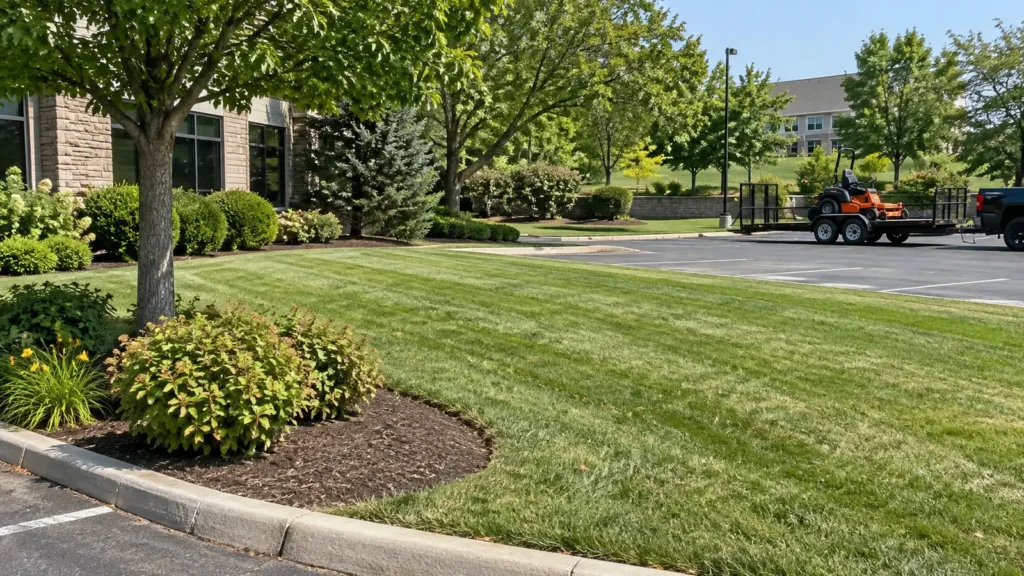
Vague mowing scopes create vague results. “Keep it neat” means different things to a board, a manager, and a crew on a humid Thursday. Clear specifications protect the property, the residents or tenants, and the working relationship.
Worthy Landscaping provides commercial lawn mowing services for properties in our service area. This checklist is language you can adapt when you request an estimate or renew a scope with clear, property-specific expectations. It works for HOA commons, office parks, retail pads, and light industrial lots across Montgomery, Delaware, and Chester Counties and the Main Line.
Define the map, not only the address
Attach or describe a simple site map. Mark:
- Turf included and turf excluded (native areas, lease spaces, tenant-maintained strips)
- Obstacles: signs, light poles, playground edges, fence lines
- Sensitive zones: playgrounds, pet areas, monument signs, storm facilities
- Parking and staging rules for trailers and equipment
- Any construction or renovation zones that are temporarily out of scope
If the site has multiple parcels or phases, say which phases are in year-one scope. Ambiguity here shows up as missed corners and change-order friction later. A marked aerial from a free map tool is enough; it does not need to be an engineered drawing.
Frequency and growth-season expectations
State how you want frequency handled.
Options managers often use:
- A stated seasonal visit pattern with notes for peak spring growth
- A maximum height threshold that triggers an extra visit discussion
- Different frequencies for high-visibility frontage vs. rear or detention areas
- Pause or reduce notes for drought stress when cutting short would harm turf
Also note holidays and board-meeting weeks when appearance matters more. No mowing schedule can guarantee perfect turf through drought. You do need shared expectations about what “on schedule” means when weather stacks wet days. Southeastern Pennsylvania springs can push growth hard for a few weeks; scopes that ignore that peak create the most board complaints.
Cut quality and detailing
Spell out what “finished” includes:
- Mowing of defined turf areas
- Trimming along hard edges, fences, and beds included in scope
- Blowing off walks, lots, and curb lines used by pedestrians and cars
- Handling of dense clippings so mats are not left on turf or pavement
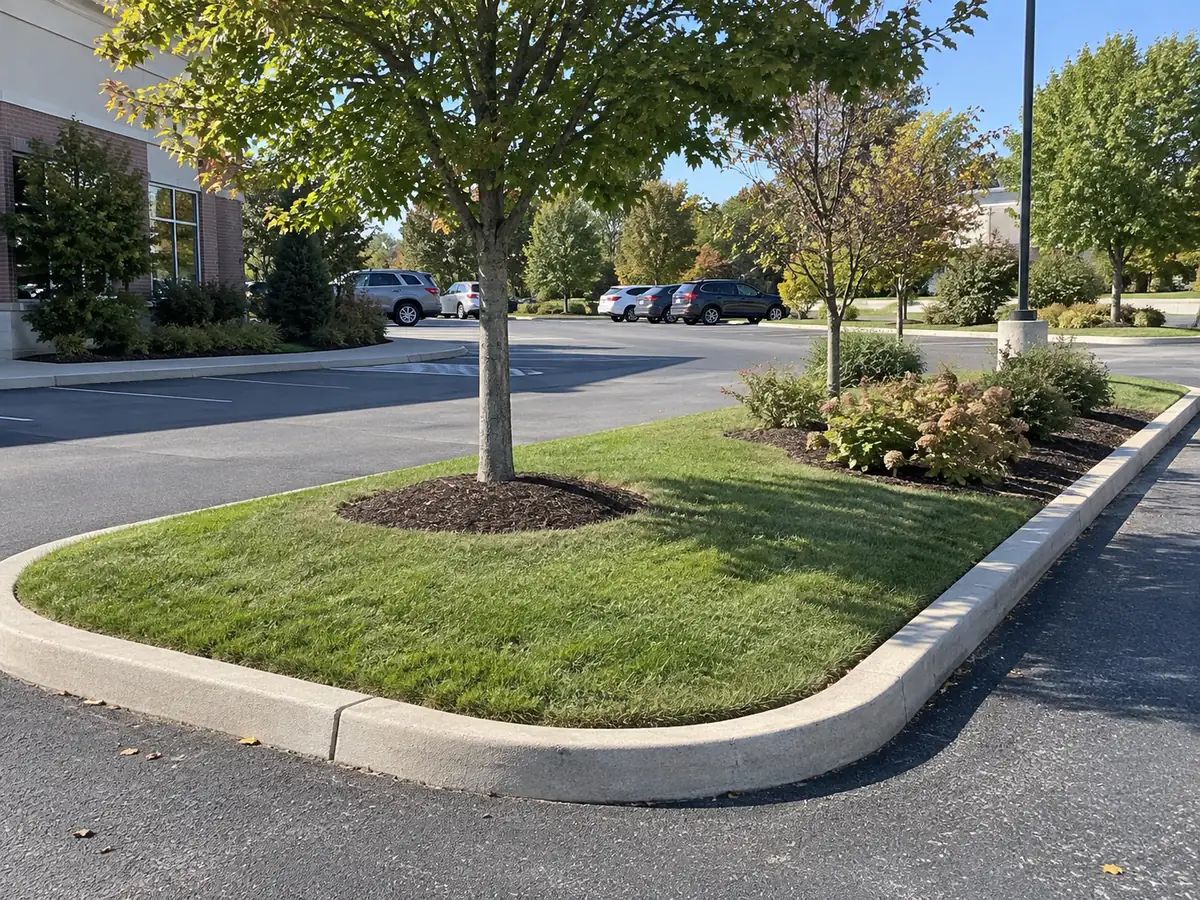
- Care around monument signs and entry islands that carry brand or HOA identity
If certain beds are contractor-maintained and others are not, say so. Crews should not guess whether a foundation bed is in or out. If string-trimming against fragile surfaces is restricted, put that in writing so equipment choices match the site.
Irrigation, wet turf, and site conditions
Mention irrigation run times if they soak turf right before a planned mow day. Wet cutting leaves clumps, tracks, and uneven finish. A one-line note—“irrigation typically runs Tuesday/Thursday nights”—lets scheduling adapt. Also flag chronic soft spots, steep banks, or detention areas that need different equipment or a different day after storms.
Access, keys, and site rules
Commercial and HOA sites fail estimates when access is unclear.
Specify:
- Gate or lockbox access arrangements (share codes privately after scheduling), or who meets the crew
- Hours when noise is allowed
- Where dumpsters and loading docks must stay clear
- Pet waste policies if grounds are heavy with it (it affects time and finish)
- Preferred entry point if the site has multiple drives
- Any badging or check-in rules for office or campus properties
One paragraph on access saves repeated phone calls all season.
Communication and issue reporting
Agree on how problems get reported: downed limbs after storms, irrigation breaks, vandalism, or resident complaints about a specific strip. Name a single property contact and a backup. Ask for simple service notes after visits if your board or ownership expects documentation.
This is process, not a service-level promise with penalties. Written expectations beat verbal “we’ll handle it.” If the board wants photos of completed entries after each visit, say so up front so the crew plans for it.
Scope language starter list
Copy and adjust:
- Areas: Turf shown on attached exhibit A; excludes [list].
- Services each visit: Mow, trim in-scope edges, blow hard surfaces in [zones].
- Season: Approximate start/end based on growth; peak adjustments discussed in advance.
- Height: Target finished appearance consistent with cool-season turf health; avoid scalping.
- Debris: Landscape debris from mowing handled as agreed; storm debris may be separate.
- Access: Codes/hours/staging as listed.
- Contact: Primary and backup for day-of issues.
- Changes: Added areas or services require written update before work.
- Exclusions: Flower-bed maintenance, shrub pruning, or hardscape repair unless listed separately.
What to send when you request an estimate
- Site address and property type (HOA, retail, office, light industrial)
- Map or marked aerial
- Current pain points (missed edges, clogged curb lines, inconsistent timing)
- Any board or ownership appearance standards already written
- Preferred communication method
- Approximate acreage or a sense of turf vs. hardscape if you know it
Photos of problem edges and high-visibility entries help more than adjectives. If last year’s vendor missed the same fence line every week, circle it.
Request a Clear Commercial Mowing Scope
If you manage a property in Montgomery, Delaware, or Chester Counties or along the Main Line and need clearer mowing scope language, contact Worthy Landscaping. Send a map and your must-have finish details. We will talk through a practical commercial mowing scope that matches how the site is actually used—and how your board or ownership judges “done.”