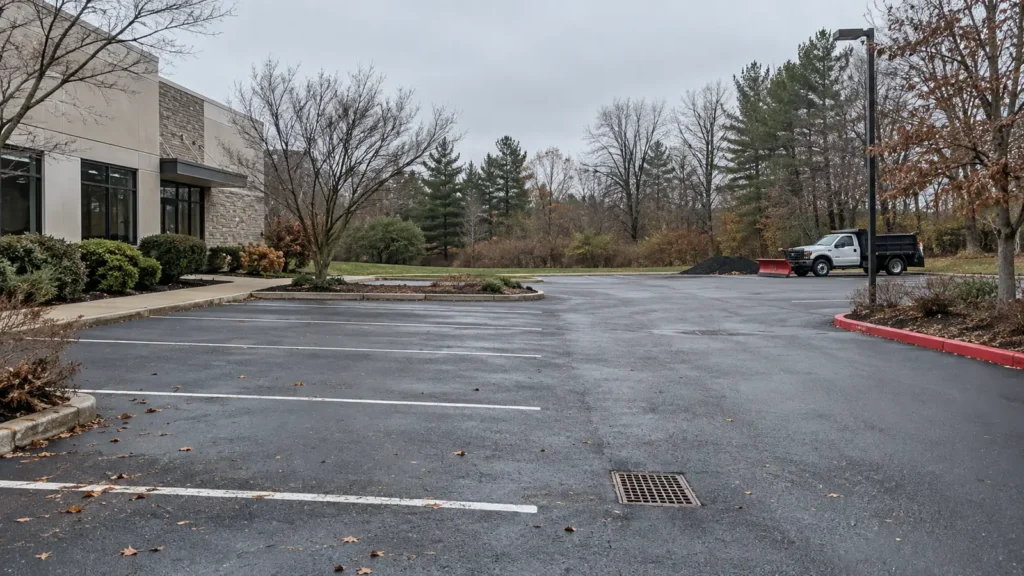
The worst time to invent a snow plan is at 4 a.m. during the first squall. Property managers who settle access, priorities, and written expectations in the fall spend winter on exceptions—not on basics.
Worthy Landscaping offers commercial snow removal services in our service area. This guide focuses on the planning details that belong in a clear written scope. SE PA winters swing between light dustings and messy freeze-thaw cycles; a written plan helps either way.
Start with who must get in—and when
List the property’s real open pattern. A medical office, a retail center, and an HOA clubhouse do not share the same morning.
Note:
- First employee or resident arrival windows on weekdays
- Weekend and holiday activity
- Delivery or trash schedules that cannot slip
- Fire lanes and accessible routes that stay clear by necessity
- School bus or shuttle patterns if they use your curb line
Priorities should be written as a sequence: for example, main entrance and accessible path, then primary lot rows, then secondary lots, then overflow. When every zone is “priority one,” nothing is. Tie the sequence to real clocks—not to wishful thinking about simultaneous perfection across five acres.
Map piles, drains, and no-push zones
Snow has to go somewhere. Decide pile locations before storms invent them against exits and hydrants.
Mark on a simple site plan:
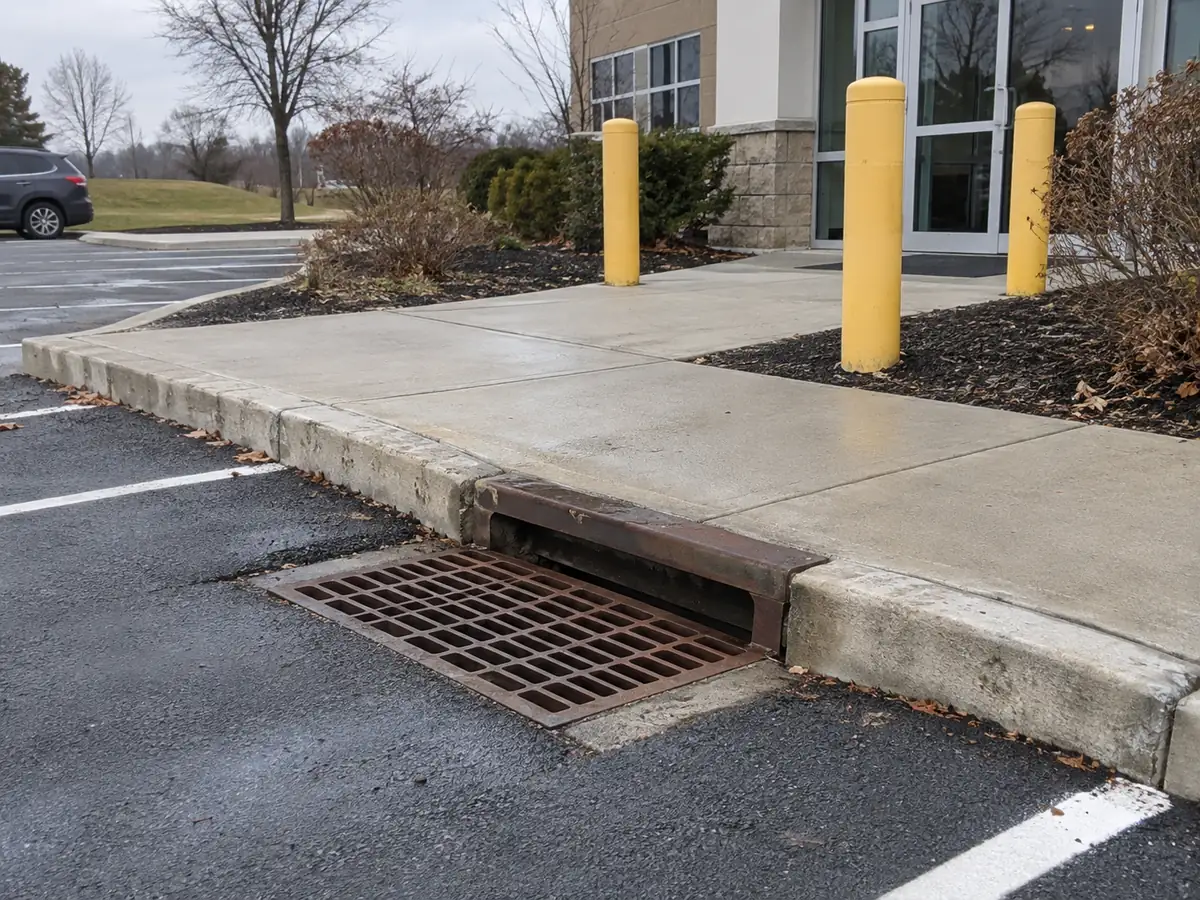
- Approved pile areas away from visibility triangles and drains where possible
- No-push zones: doors, ramps, private vehicles in reserved spots, landscaping you do not want salted or buried
- Storm drain locations that must not be blocked
- Sidewalk ownership edges if adjoining properties split responsibility
- Camera or sign sightlines that matter for security or wayfinding
A five-minute map review in October prevents angry emails in January. If last winter’s pile blocked a right-turn exit for a week, that is the first mark on this year’s map.
Access and on-site rules
Crews need to enter without scavenger hunts.
Document:
- Gate-access arrangements (share sensitive codes privately) and after-hours contacts
- Where equipment may stage
- Any load limits or pavement concerns you already know
- Vehicle relocation rules for HOAs (what happens when cars stay in the lot)
- Material preferences or restrictions you already follow for walks and lots
- Who can authorize extra work when a storm runs longer than forecast
If residents must move cars for a full lot clean, say how that communication works—app blast, email, door hangers, or board policy. Snow plans fail when parked cars become unplanned islands and nobody owns the message.
Service Triggers and Communication
Agree on how decisions get made when forecasts change. Useful written expectations include:
- Who watches the forecast on the property side
- How you want to be notified when service is starting
- What “service event” means for your site (for example, measurable accumulation plus active use hours)
- How ice control on walks vs. lots is handled in your preference order
- Who is the night/weekend backup if the primary manager is unreachable
Use written service triggers and communication expectations that fit the property and the agreement. Weather can vary across southeastern Pennsylvania, so response details and any contractual remedies should be discussed directly and documented for the specific site.
Materials and surface notes
Different surfaces take different approaches. Note brick walks, new concrete, decorative stone, and any areas where you want extra care. Say whether you stockpile materials on site or expect the contractor to bring them. If you have environmental or ownership preferences about products, put them in the preseason packet.
Also note transitions: painted lines that get buried, speed bumps that catch plow blades, and tight truck turns near dumpsters. This is preference and care language—not a warranty of zero ice in every freeze-thaw cycle. Melting and refreezing still happen in our climate.
Preseason checklist for managers
- Update site contacts and backups.
- Confirm gate/access hardware works in cold weather.
- Mark pile zones and fire-lane expectations on a map.
- Rank zones in service order tied to opening hours.
- Clarify vehicle relocation for lots and HOAs.
- Align on notification method (call, text, email).
- Walk the site once with the contractor before the first storm if possible.
- Store the one-page plan where night/weekend managers can find it.
- Review last winter’s complaint log for repeat problem corners.
If the same vendor also handles commercial mowing on the site, share both contacts so seasonal handoffs are clean—but keep snow and lawn scopes written separately so neither inherits vague language from the other.
What to send when you inquire
- Property type and address
- Marked map with priorities and pile zones
- Opening-hour pattern
- Access details
- Known problem spots from last winter (drifts, icy corners, tight truck turns)
- Any ownership or board preferences already approved
Last winter’s complaint themes are gold. They tell us where the plan must be sharper.
Plan Snow Service Before the First Storm
If you want commercial snow planning in place before the first storm, contact Worthy Landscaping. Share a site map and your opening priorities. We serve commercial and HOA properties from Bridgeport across Montco, Delco, Chester County, and the Main Line, and we will help you put access and expectations in writing while there is still time to walk the lot in sneakers.