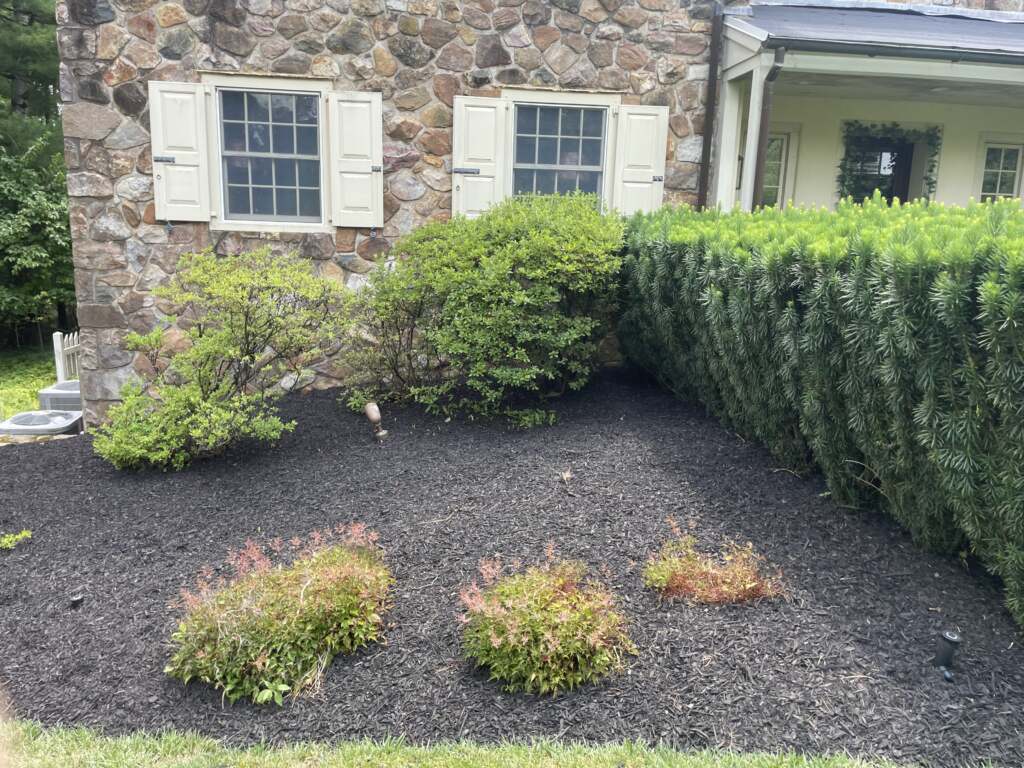
Shrub calendars online often assume you know every plant’s Latin name and that your yard matches a textbook. Most southeastern PA homeowners just know the front hedge is eating the walk, the lilacs looked great in May, and something by the driveway now blocks the sightline when you back out.
This guide focuses on timing by goal—shape, clearance, and overgrowth—with enough plant-aware caution to avoid the classic mistake of shearing off next year’s flowers.
Start with why you’re trimming
Different goals want different timing.
Clearance and safety. Branches on walks, windows, doors, meters, and drive sightlines can be addressed when the hazard exists. Waiting for a “perfect” prune month helps no one if people are ducking under a limb every day.
Shape and formal hedges. Repeat light trimming through the growing season often beats one severe chop. Exact frequency depends on how fast that species pushes in our climate.
Reclaiming overgrowth. Big reductions are riskier in heat and may look stark; late winter / early spring (while dormant) is a common window for many deciduous shrubs—except when that shrub blooms on old wood in spring.
Health cleanup. Dead, damaged, or diseased wood can usually come off when you spot it, with clean cuts and disposal that doesn’t spread obvious disease through the rest of the bed.
Write the goal into the service request. “Make it neat” produces different work than “open the walk and keep the spring flowers.”
Spring-blooming shrubs: don’t shear them on spring tidy day
Many popular spring bloomers set their flower buds on last year’s wood. Cut them hard in early spring and you’re cutting off the show.
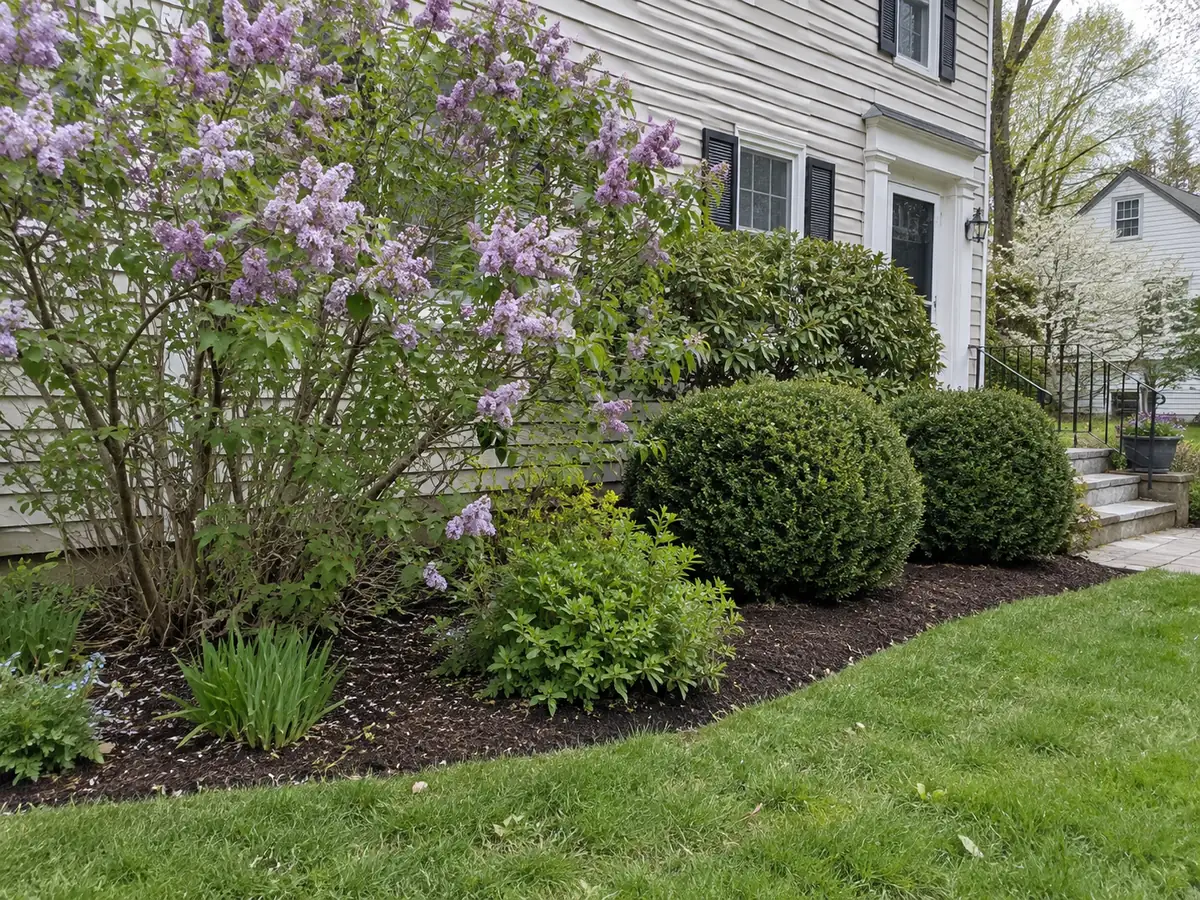
Examples homeowners often have (verify your plant if unsure): lilacs, forsythia, some viburnums, and certain azaleas/rhododendrons. For these, the kinder timing for shaping is typically right after they finish flowering—so they can grow and set buds for next year through summer.
If clearance can’t wait until after bloom, do the minimum clearance cut now and schedule the shaping pass after flowers fade.
Summer-blooming and “always green” plants: different logic
Shrubs that bloom on new growth (many panicle hydrangeas, for example) often tolerate late-winter or early-spring cutback better—again, know your type, because hydrangea advice is famous for confusing people.
Evergreens (boxwood, yews, hollies, and similar foundation plants common on Main Line homes) are often shaped from late spring into summer once the first flush of growth softens. Avoid heavy shearing in severe heat or right before harsh winter exposure if you’re removing a large share of foliage. Light touch-ups are different from carving a giant green block down by half overnight.
When in doubt, a site visit beats a generic calendar.
Seasonal rhythm for our area (plain terms)
Late winter to early spring (dormant). Good for many structural cuts on deciduous shrubs that don’t bloom early on old wood. Easy to see branching without leaves. Watch for frozen ground and frozen stems that shatter instead of cutting clean.
After spring bloom. Ideal shaping window for spring-flowering shrubs.
Early to midsummer. Hedge maintenance, clearance, and formal shapes while plants are actively growing—avoid extreme heat waves for heavy work when you can.
Late summer into early fall. Fine for light clearance. Be cautious with major cutbacks that push tender new growth late, which then faces winter with little harden-off time.
Late fall. Useful for removing storm damage and keeping walks clear. Not always the best moment for ambitious reshaping of everything on the lot—crews are also deep into leaves and seasonal work.
Local weather swings; use these as guides, not guarantees.
Overgrowth: how far back is too far in one visit?
Shrubs that haven’t been touched in years sometimes need staged reduction. Cutting everything to stumps in July can stress plants, create a sudden privacy loss, and leave a yard full of sticks.
Better questions for the estimate:
- Can we open walks and windows now and reduce size over two seasons?
- Is the plant the right one for the space, or is it a perpetual fight?
- Are we maintaining a hedge face or renovating a neglected screen?
Honest answers sometimes include replacement—not because pruning failed, but because a huge shrub was planted eighteen inches from a sidewalk.
What a solid trim visit should include
Beyond the cuts themselves:
- Clean-up of clippings from beds, lawn, and hardscape
- Attention to plant faces that show to the street vs. hidden sides
- Clearance from siding and roofs enough for air and access (without creating odd flat-tops by habit)
- No “hockey rink” mulch volcanoes redistributed onto fresh cuts
- A quick note if pests, dieback, or girdling issues showed up
Ask whether the crew hand-prunes or only power-shears. Shearing has a place on formal hedges; it can ruin the natural form of shrubs that look better with selective cuts.
Decision checklist before you book
- Primary goal: clearance, bloom-friendly shape, formal hedge, or reclaim?
- Do you know which shrubs flower in spring on old wood? If yes, time shaping after bloom.
- Any sightline or entry hazards? Those can jump the line.
- One visit or staged work? Overgrown screens may need a plan.
- Disposal: haul away vs. your yard waste setup.
- Follow-up: hedges may need more than one trim per growing season.
Talk through timing for your plants
Worthy Landscaping offers bush and shrub trimming and pruning in PA for properties in Montgomery, Delaware, and Chester Counties and the Main Line / western Philadelphia suburbs. We’d rather match the cut to the plant and the problem than run every hedge on the same Saturday in March.
For an estimate or a walkthrough, use contact us, email contactus@worthylandscaping.com, or call (215) 490-8474. Worthy Landscaping is based in Bridgeport, PA—tell us what you want the shrubs to do (open a walk, keep a bloom, reclaim a window), and we’ll suggest timing that fits.